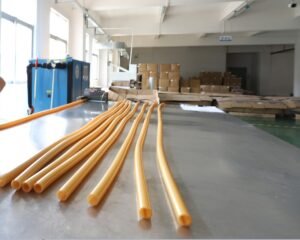
In the fast-paced world of construction, contractors and project managers are always on the lookout for materials that deliver reliable performance without adding unnecessary complexity to the job site. Silicone foam strips have emerged as a go-to solution for sealing gaps, insulating structures, and ensuring long-term durability in both residential and commercial builds.
Key Advantages of Silicone Foam Strips in Construction
These versatile strips stand out due to their unique combination of properties that address common challenges like weather exposure, temperature fluctuations, and structural movement.
- Extreme Temperature Resistance: Operating effectively from -60°C to +200°C (up to +260°C intermittent), making them ideal for outdoor applications in varying climates.
- Superior Weatherproofing: Excellent resistance to UV rays, ozone, and moisture prevents degradation over time.
- Low Compression Set: Maintains shape and sealing integrity even after prolonged compression (typically <5% at elevated temperatures), reducing the need for replacements.
- Flame Retardant Options: Many grades meet UL 94 V-0 or HF-1 fire safety standards.
- Easy Application: Available with adhesive backing for quick installation on windows, doors, and joints.
Typical Technical Specifications for Construction-Grade Silicone Foam Strips
Professional buyers rely on consistent material properties to ensure compliance and performance. Here’s a comparison of common grades:
| Property | Soft Density (Closed-Cell) | Medium Density (Closed-Cell) | Unit | Test Method |
|---|---|---|---|---|
| Density | 16-22 | 29-42 | lbs/ft³ | ASTM D1056 |
| Compression Deflection @ 25% | 6-9 | 9-13 | psi | ASTM D1056 |
| Tensile Strength | 45-70 | 80-100 | psi | ASTM D412 |
| Compression Set (22 hrs @ 100°C) | <5 | <5 | % | ASTM D1056 |
| Temperature Range | -60 to +200 | °C | – | |
| Water Absorption | <1 | % | Internal | |
These values are typical for closed-cell silicone foam strips meeting ASTM D1056 2D2 or 2D3 specifications.
Common Applications in Residential and Commercial Builds
Silicone foam strips are deployed across a wide range of construction scenarios where airtight and watertight seals are critical.
- Sealing windows and doors to block drafts, dust, and insects.
- Insulating pipes and HVAC ducts for energy efficiency.
- Creating expansion joint seals in concrete structures.
- Weatherstripping rooftops, skylights, and facades.
- Vibration dampening in flooring and wall assemblies.
For contractors handling large-scale projects, sourcing high-quality silicone foam strips in bulk ensures consistent performance and compliance with building codes.
Selecting the Right Silicone Foam Strip for Your Project
Not all foam strips are created equal. Professional buyers should consider specifications that align with project demands.
- Density and Firmness: Soft grades for low closure force on irregular surfaces; medium for general sealing.
- Cell Structure: Closed-cell for superior water resistance.
- Adhesive Type: High-temperature acrylic for demanding environments.
- Certifications: ASTM D1056, UL 94 ratings, and FDA compliance where needed.
Partnering with reliable manufacturers who offer custom slitting and lengths can streamline procurement and reduce waste on site.
Real-World Benefits for Contractors and Importers
Beyond technical specs, silicone foam strips deliver tangible advantages that impact the bottom line.
- Reduced maintenance calls due to long-lasting seals.
- Improved energy ratings for buildings through better insulation.
- Cost savings from fewer material failures in harsh conditions.
- Versatility across new builds and renovation projects.
As sustainability becomes a priority, these strips contribute to greener construction by minimizing air leakage and enhancing thermal performance.
Sourcing Tips for B2B Buyers
For factories, importers, and contractors sourcing in volume:
- Request samples and material data sheets to verify properties in real conditions.
- Verify supplier capabilities for custom dimensions and certifications.
- Prioritize manufacturers with proven track records in construction-grade materials.
- Consider lead times and MOQs to align with project schedules.
In summary, incorporating silicone foam strips into your sealing strategy can elevate project quality while simplifying installation. Reach out to specialized suppliers today to explore options tailored to your next build.
Enhancing Vehicle Performance with Silicone Foam Strips in Automotive Assemblies
Automotive manufacturers and suppliers know that even small components can significantly impact overall vehicle quality, comfort, and longevity. Silicone foam strips play a crucial role in modern vehicle design, providing effective sealing, vibration control, and thermal management in demanding environments.
Core Benefits of Silicone Foam Strips for Automotive Use
These strips offer a robust set of properties tailored to the rigors of automotive applications, from engine bays to passenger compartments.
- Wide Temperature Tolerance: Handles extremes from -60°C to +200°C (up to +260°C intermittent) without losing elasticity.
- Vibration and Noise Dampening: Absorbs shocks and reduces NVH for quieter rides.
- Chemical Resistance: Stands up to oils, fuels, and cleaners common in vehicles.
- Low Compression Set: Ensures seals remain effective over thousands of cycles (<5%).
- Lightweight Design: Contributes to fuel efficiency without adding bulk.
Typical Technical Specifications for Automotive-Grade Silicone Foam Strips
Automotive applications demand materials that meet FMVSS 302 and other standards. Common properties include:
| Property | Medium Density | Firm Density | Unit | Test Method |
|---|---|---|---|---|
| Density | 29-39 | 40+ | lbs/ft³ | ASTM D1056 |
| Compression Deflection @ 25% | 9-11 | 11-14 | psi | ASTM D1056 |
| Tensile Strength | 80-100 | 100+ | psi | ASTM D412 |
| Flammability | FMVSS 302, UL 94 HF-1/V-0 | – | – | |
| Temperature Range | -60 to +200 | °C | – | |
Low compression set grades are preferred for dynamic seals.
Primary Applications in Vehicle Manufacturing
Silicone foam strips are integrated into various parts of the vehicle where reliable performance is non-negotiable.
- Door, trunk, and hood seals to prevent water ingress and dust.
- Engine compartment gasketing for heat shields and insulation.
- Window and sunroof weatherstripping.
- Battery pack sealing in electric vehicles.
- Interior cushioning for dashboards and panels.
For OEMs and aftermarket suppliers, these strips help meet stringent industry standards while enhancing driver comfort.
Choosing Specifications for Automotive-Grade Strips
Professional buyers should focus on specs that match automotive requirements.
- Firmness Levels: Medium for sealing under pressure; firm for under-hood.
- Adhesive Options: High-temperature adhesives for engine bay use.
- Flame Retardancy: UL-rated or FMVSS 302 compliant.
- Custom Profiles: Extruded or slit to precise dimensions.
Working with manufacturers experienced in automotive supply chains ensures consistent quality and traceability.
Advantages for Factories and Tier Suppliers
Incorporating silicone foam strips yields practical gains in production and performance.
- Faster assembly with adhesive-backed options.
- Longer component life in harsh operating conditions.
- Improved acoustic insulation for premium vehicle segments.
- Support for EV transitions with thermal barrier properties.
As vehicles evolve toward electrification, these strips are increasingly vital for battery and electronics protection.
Procurement Strategies for Importers and Contractors
To optimize sourcing:
- Evaluate suppliers for IATF 16949 or similar certifications.
- Test for compression deflection and recovery.
- Negotiate for volume pricing and JIT delivery.
- Explore low-smoke, low-toxicity grades for interiors.
Silicone foam strips are a smart investment for elevating automotive builds. Connect with trusted suppliers to secure materials that drive superior results.
Silicone Foam Strips: Reliable Solutions for Electronics, HVAC, and Aerospace Sealing
In high-tech industries like electronics, HVAC, and aerospace, precision sealing materials are essential for protecting sensitive components and ensuring system integrity. Silicone foam strips provide the durability and performance needed in these specialized environments.
Standout Properties for Demanding Industries
Silicone foam strips excel where standard materials fall short, offering resilience in extreme conditions.
- High Thermal Stability: Performs reliably up to +200°C continuous (+260°C intermittent) and down to -60°C.
- Electrical Insulation: Protects against shorts and EMI in electronics.
- Low Smoke and Toxicity: Critical for aerospace and enclosed spaces (FAR 25.853 compliant options).
- Excellent Compressibility: Conforms to irregular surfaces for tight seals.
- Environmental Resistance: Withstands ozone, UV, and chemicals.
Typical Technical Specifications for High-Tech Applications
Specialized grades often meet MIL, AMS, or UL standards. Key properties:
| Property | Soft/Medium Density | Firm Density | Unit | Test Method |
|---|---|---|---|---|
| Density | 13-29 | 30-42 | lbs/ft³ | ASTM D1056 |
| Compression Deflection @ 25% | 2-9 | 10-14 | psi | ASTM D1056 |
| Compression Set | <1 to <5 | <5 | % | ASTM D1056 |
| Flammability | UL 94 V-0, FAR 25.853 | – | – | |
| Temperature Range | -60 to +200 | °C | – | |
Conductive or EMI-shielding variants available for electronics.
Targeted Applications Across Sectors
These strips are deployed in critical areas requiring precision and reliability.
- Enclosure gasketing in electronics and control panels.
- Duct sealing and insulation in HVAC systems.
- Vibration isolation in aerospace components.
- Battery compartment seals in portable devices.
- Lighting fixture gaskets for outdoor or high-heat use.
For engineers and procurement teams, silicone foam strips support compliance with industry-specific standards.
Specifying the Optimal Strip for Your Needs
Key considerations for B2B selection:
- Cell Type: Closed-cell for moisture barriers; modified for balanced performance.
- Density Variants: Ultra-soft for delicate assemblies; firm for structural support.
- Special Features: Low smoke/toxicity for aerospace; EMI options for electronics.
- Certifications: AMS 3195/3196, UL 94 V-0, FAA/FAR compliance.
Collaborate with manufacturers offering custom fabrication for seamless integration.
Operational Gains for Professional Buyers
Implementing these strips brings measurable improvements.
- Enhanced product reliability in harsh environments.
- Reduced failure rates through superior sealing.
- Weight savings in aerospace designs.
- Energy efficiency boosts in HVAC installations.
In electronics, they safeguard against dust and thermal runaway in batteries.
Best Practices for Sourcing in Volume
Tips for importers, factories, and contractors:
- Prioritize suppliers with aerospace or electronics experience.
- Conduct material testing for compression and recovery.
- Secure supply agreements for consistent formulations.
- Opt for adhesive-backed rolls to speed assembly lines.
Silicone foam strips are indispensable for advancing performance in electronics, HVAC, and aerospace. Partner with expert suppliers to meet your exacting requirements.