Silicone Color Solutions: Complete Technical Guide for Industrial Manufacturers
Color is not merely an aesthetic consideration in industrial silicone manufacturing—it’s a critical component that enhances product traceability, enables quality control, and differentiates products in competitive markets. Whether you’re producing medical-grade tubing, automotive seals, or consumer electronics components, achieving precise silicone color specifications requires a deep understanding of pigment chemistry, dispersion techniques, and process parameters.
This comprehensive guide explores advanced silicone coloring methods, technical principles, and practical applications for engineering teams and procurement managers sourcing colored silicone rubber in bulk quantities.
Understanding Silicone Color Applications in Industrial Manufacturing
Image Suggestion: Split-screen comparison showing application examples: medical tubing (FDA-compliant colors), automotive gaskets (color-coded by function), and consumer electronics components
Silicone coloring serves multiple strategic functions across industries:
- Regulatory Compliance: Medical and pharmaceutical applications require FDA-approved colorants and documented batch traceability
- Quality Assurance: Color consistency enables batch identification and simplifies defect detection on production lines
- Product Differentiation: Custom colored silicone compounds create visual brand identity in consumer-facing products
- Functional Coding: Automotive and industrial applications use color to denote temperature ratings, durability grades, or chemical compatibility
- Supply Chain Efficiency: Pre-colored silicone eliminates secondary coloring steps, reducing labor costs and manufacturing time
For manufacturers requiring consistent silicone color across multiple production runs, understanding the interaction between pigments and silicone chemistry is essential.
Technical Principles: How Pigments Interact with Silicone Polymers
Image Suggestion: Molecular diagram showing silicone polymer chains with pigment particle dispersion (magnified view illustrating even vs. poor distribution)
Pigment Compatibility with Silicone Matrices
Silicone elastomers present unique challenges for colorant integration due to their non-polar polymer structure. Unlike organic plastics, silicone’s Si-O backbone exhibits different interaction mechanisms with pigments:
- Surface Adsorption: Organic pigments adsorb onto silicone chain surfaces through van der Waals forces
- Dispersion Stability: Pigment particles must remain suspended throughout the polymerization process without agglomeration
- Cure Compatibility: Colorants must withstand elevated temperatures and crosslinking reactions (120–200°C for HTV; 60–100°C for RTV)
- Silicone Fluid Compatibility: Oils within the silicone matrix can affect pigment solubility and color intensity
Poor pigment dispersion results in color streaking, inadequate opacity, and inconsistent colorant distribution—critical defects in high-precision applications like medical devices.
Solubility Parameters and Pigment Selection
Inorganic pigments (iron oxides, titanium dioxide) provide superior thermal stability in silicone applications compared to organic dyes. However, achieving uniform silicone color distribution requires careful pigment selection based on:
- Pigment particle size (typically 0.1–5 μm for optimal dispersion)
- Surface treatment compatibility with silicone polymers
- Cure rate compatibility with specific silicone formulations
- Regulatory certifications (FDA CFR 177, EU Directive 2008/30/EC)
Silicone Coloring Methods: Comparative Overview
Image Suggestion: Production floor showing three methods: (1) Color masterbatch blend with raw silicone, (2) Color paste dispenser, (3) Pre-colored silicone compounds ready for molding
Method 1: Silicone Color Masterbatch
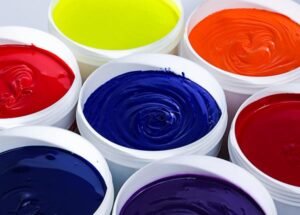
Color masterbatch represents the most versatile approach for achieving custom silicone color. A pre-concentrated mixture of colorants (typically 10–50% pigment loading) in silicone carrier resin is blended with raw silicone base stock in controlled ratios.
Advantages: Cost-effective for multiple colors, precise color control through dilution ratios, minimal waste
Process Requirements: Industrial mixers with thermal control, careful attention to mixing time and temperature
Method 2: Color Paste (Liquid Colorant Dispersion)
Pre-formulated color pastes offer immediate dispersion into liquid silicone systems. These are single-phase liquids containing pigments suspended in silicone fluid with surfactant stabilizers.
Advantages: Rapid integration, minimal additional mixing, standardized dosing
Limitations: Higher per-unit cost, potential settling during storage, less suitable for opaque colors
Method 3: Pre-Compounded Silicone
Fully colored silicone compounds, manufactured under controlled conditions by material suppliers, offer the highest consistency and require no additional coloring steps.
Advantages: Superior color batch consistency, eliminates process variables, ideal for high-volume production
Drawback: Higher material cost, longer lead times for custom colors
Step-by-Step Process for HTV Solid Silicone Compression Molding Coloring
Image Suggestion: Infographic showing 5-step process with photos/diagrams: weighing, mixing, degassing, loading, molding
Step 1: Raw Material Preparation and Weighing
Precision begins before coloring. All base silicone components—polymer, filler, and cure system—must be weighed to ±0.1% tolerance. Temperature stabilization (20–25°C ambient) minimizes viscosity variation that could affect silicone color distribution.
Step 2: Color Masterbatch Addition and Blend Timing
Add pre-calculated masterbatch quantities to the silicone base stock using a ratio of 1:10 to 1:100 (masterbatch:base), depending on desired color intensity. For optimal silicone coloring:
- Add masterbatch to silicone base in multiple portions rather than all at once
- Begin mixing at 50 RPM for 2–3 minutes to wet out pigment particles
- Increase to 100–150 RPM for 5–8 minutes to achieve uniform color distribution
- Total mixing time: 10–15 minutes depending on batch size and masterbatch concentration
Step 3: Degassing (Vacuum Deaeration)
After color addition, apply vacuum at 0.8–0.95 bar (absolute) for 5–10 minutes. This critical step removes:
- Air bubbles introduced during color mixing
- Volatile solvents that may interfere with cure
- Trapped moisture that degrades long-term color stability
Insufficient degassing directly impacts optical properties and can produce cloudy or streaked colored silicone rubber.
Step 4: Mold Cavity Preparation and Material Loading
Pre-heat compression mold cavities to the manufacturer’s recommended temperature (typically 170–180°C for HTV). Load deaerated, colored silicone into cavities, slightly overfilling to account for flash.
Step 5: Compression Molding and Cure
Apply pressure (5–20 MPa) and hold at elevated temperature for the specified cure time. Pigments remain stable throughout cure; however, insufficient pressure can create air pockets that compromise color uniformity.
Standard HTV cure: 170°C for 3–10 minutes depending on part thickness. Post-cure at 150°C for 1–4 hours improves overall polymer crosslinking and color stability.
Critical Parameters for Consistent Silicone Color Production
Image Suggestion: Control panel/parameter chart showing temperature profiles, ratios, and mixing variables
Colorant Adding Ratio (Dose Dependency)
The relationship between masterbatch concentration and final silicone color opacity follows non-linear kinetics. Typical dosing guidelines:
- Light tints (pastel colors): 0.5–2% masterbatch by weight
- Medium colors: 2–5% masterbatch by weight
- Opaque/saturated colors: 5–15% masterbatch by weight
- Deep or custom Pantone colors: 10–25% masterbatch by weight (multi-pigment blends)
Excessive colorant loading (>20%) can compromise mechanical properties including tensile strength and tear resistance.
Pigment Dispersion Quality Assessment
Inspect colored silicone samples using:
- Visual Color Matching: Compare against Pantone or custom color standards under standardized lighting (5000K LED)
- Spectrophotometer Analysis: Quantify color values using L*a*b* color space (ISO 7724-3 standard)
- Microscopic Examination: Confirm uniform pigment distribution at 10–100× magnification
- Transparency Assessment: Measure light transmission for translucent silicone colors using spectrophotometry
Curing Compatibility and Reaction Kinetics
Certain pigments catalyze or inhibit silicone cure reactions. Critical compatibility parameters:
- Cure Inhibitors: Iron oxides and some organic pigments may extend cure time by 20–30%—adjust cure schedules accordingly
- Heat Stability: Verify pigments withstand manufacturer-recommended post-cure temperatures (150–200°C)
- Volatile Organic Content: High-VOC colorants may create surface defects (bloom) during cure
Achieving Different Colored Silicone Effects: Technical Approaches
Image Suggestion: Product showcase displaying transparent, semi-opaque, opaque, and metallic silicone color variations
Transparent and Translucent Silicone Colors
Achieving transparency while maintaining color requires:
- Selecting transparent silicone base stock with minimal filler content
- Using organic dyes or specialized transparent pigments instead of opaque inorganic colorants
- Limiting masterbatch concentration to <1% to maintain light transmission
- Ensuring exceptional pigment dispersion—particle aggregation causes visible cloudiness
Typical light transmission rates for colored transparent silicone: 50–85% at 2mm thickness (depending on color intensity).
High-Opacity Colored Silicone
Maximum opacity (industrial opaque colors) requires:
- Titanium dioxide (TiO₂) as primary opacifying agent (10–20% by weight in masterbatch)
- Iron oxide pigments for hue development
- Fine-particle-size inorganic pigments (<1 μm) for superior color strength
- Multiple masterbatch additions during mixing to prevent agglomeration
Custom Pantone and Color Matching
Achieving exact Pantone colors in colored silicone rubber requires:
- Spectrophotometric Reference Standards: Obtain authorized Pantone color chips in silicone form
- Multi-Pigment Formulation: Most custom colors require 2–4 pigment types blended at precise ratios
- Iterative Trial Batches: Produce 500g–1kg test batches with varying pigment proportions
- CIE L*a*b* Color Matching: Match target within ΔE < 2.0 (visual equivalence standard)
- Temperature Stability Testing: Verify color remains within tolerance after post-cure (thermal cycling)
Average development timeline for custom Pantone silicone colors: 2–4 weeks with material supplier partnership.
Comparative Table: Silicone Coloring Methods
Image Suggestion: Professional comparison table graphic
| Coloring Method | Typical Dosage | Key Advantages | Primary Limitations | Best Application |
|---|---|---|---|---|
| Color Masterbatch | 1–25% by weight | Cost-effective; flexible color mixing; good shelf stability | Requires controlled mixing; potential batch variation | Medium-to-high volume production; multiple color requirements |
| Color Paste | 2–10% by weight | Simple dosing; rapid integration; liquid form | Higher material cost; settling during storage | Small-batch production; RTV liquid silicone systems |
| Pre-Compounded Silicone | N/A (ready-to-use) | Superior consistency; zero process variables; FDA-certified batches available | Highest per-unit cost; long lead times for custom colors | High-volume production; medical/pharmaceutical applications |
| Liquid Colorant (for RTV) | 1–15% by weight | Immediate dispersibility; homogeneous mixing | Limited to RTV systems; potential cure inhibition | RTV mold-making, potting compounds, liquid casting |
| Dry Pigment Powder | 0.5–10% by weight | Lowest material cost; full customization | Poor dispersion; requires extended mixing; dust handling hazards | Research/development; laboratory testing |
Real-World Industrial Applications of Colored Silicone
Image Suggestion: Montage of actual industrial products: medical catheters (various colors), automotive seals, consumer electronics, food-contact gaskets
Medical Device Manufacturing: FDA-Compliant Color Identification
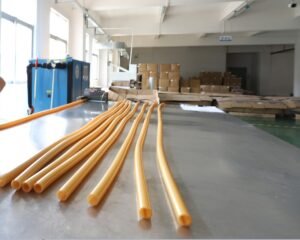
Medical silicone tubing and catheters employ color coding for immediate identification of fluid compatibility and sterilization compatibility. A leading medical device manufacturer uses custom colored silicone to distinguish:
- Red silicone: Arterial application tubing
- Blue silicone: Venous access lines
- Clear silicone: Optical inspection applications
- Yellow silicone: Porous/permeable membrane applications
All pigments comply with USP (United States Pharmacopeia) biocompatibility standards and undergo extractables testing per ISO 10993-5.
Automotive Sealing Applications
Automotive gaskets and seals use colored silicone for function identification:
- Red/Orange Silicone: High-temperature seals (>150°C) for exhaust manifold applications
- Black Silicone: UV-resistant exterior seals (carbon black filler + pigment)
- White Silicone: Food-contact engine gaskets (non-toxic, platinum-cured)
A tier-1 automotive supplier reduced assembly errors by 18% after implementing color-coded silicone seals—technicians immediately recognize correct components during high-speed line assembly.
Consumer Electronics and Appliance Manufacturing
Silicone gaskets, keypads, and protective components in consumer electronics increasingly leverage colored silicone for brand identity:
- Premium appliance manufacturers use translucent colored silicone oven seals
- Smartphone manufacturers specify custom-color silicone protective cases
- Wearable device manufacturers integrate custom colors matching product aesthetics
Manufacturing tolerances for color consistency in consumer electronics: ΔE < 1.5 (highly visible color match).
Frequently Asked Questions About Silicone Color
Image Suggestion: FAQ section header graphic with Q&A icons
Q1: Does adding color to silicone affect its mechanical properties (tensile strength, tear resistance)?
A: Minimal impact when colorant loading remains below 15% by weight. However, excessive pigment concentration (>20%) can reduce tensile strength by 5–10% due to polymer chain interference. Additionally, certain pigments may slightly increase hardness (Shore A increases 2–5 points). For critical mechanical applications, conduct mechanical testing on colored batches to verify compliance with specifications.
Q2: What is the shelf life of colored silicone masterbatch compared to uncolored material?
A: High-quality color masterbatch maintains stability for 12–18 months when stored at 15–25°C in airtight containers away from direct sunlight. Some organic pigments degrade faster (6–12 months), while inorganic iron oxide colorants remain stable indefinitely. Conduct visual inspection and cure-time testing before using aged masterbatch. RTV systems (liquid silicone) show shorter masterbatch shelf life (6–12 months) due to moisture absorption.
Q3: Can I achieve FDA-compliant colored silicone through color masterbatch, or must I source pre-compounded material?
A: FDA compliance depends on pigment sourcing, not coloring method. Use FDA CFR Title 21 Section 177 compliant colorants (titanium dioxide, approved iron oxides, carbon black, and certified organic dyes) with documented material certificates. However, pre-compounded FDA-certified silicone is preferred for medical applications because suppliers guarantee traceability and conduct extractables testing. If using color masterbatch, source from suppliers holding FDA supplier audits and maintaining documentation chains.
Q4: How do I troubleshoot color inconsistency between production batches?
A: Batch-to-batch color variation (ΔE > 2.0) typically results from: (1) Inadequate mixing time or speed—increase mixing duration to 12–15 minutes; (2) Pigment settling in masterbatch—remix or replace aged batches; (3) Temperature fluctuation—maintain 20–25°C storage and processing environment; (4) Cure temperature variance—verify mold temperature accuracy within ±2°C; (5) Different supplier batches—lock material batches to a single lot for production runs. Implement spectrophotometric color monitoring for every 5th batch to detect drift early.
Q5: What is the maximum colorant concentration before mechanical properties degrade unacceptably?
A: Generally, masterbatch concentrations up to 15% (weight) produce negligible property changes. Beyond 15%, expect: tensile strength reduction of 1–2% per 5% masterbatch increase; slight hardness increase (Shore A +2–3 points); potential elasticity reduction. Practical maximum: 20% for non-critical applications; 10% for high-performance sealing applications. Always conduct ASTM D412 (tensile) and ASTM D2240 (hardness) testing on final formulations.
Q6: Are silicone colors compatible with steam sterilization (autoclave) used in medical manufacturing?
A: FDA-approved inorganic pigments (iron oxides, titanium dioxide) are fully compatible with autoclave sterilization cycles (121°C, 15 psi, 15–30 minutes). Some organic colorants may fade slightly after 10+ sterilization cycles. Platinum-catalyzed silicone with FDA pigments shows excellent post-sterilization color stability. Conduct ISO 11135 compatibility testing or request supplier sterilization compatibility data before high-volume medical production.
Optimization Strategies for Cost-Effective Colored Silicone Production
Image Suggestion: Manufacturing process optimization infographic showing cost drivers and efficiency improvements
Supply Chain Integration
Partner with material suppliers offering:
- Technical support for custom color formulations
- Pre-mixing services to reduce in-house production overhead
- Long-term contracts with price stability on base silicone and masterbatch
- Just-in-time inventory programs reducing storage costs
Process Efficiency
- Batch Size Optimization: Produce larger batches to amortize mixing time and equipment utilization
- Automated Dispensing: Install volumetric or gravimetric dispensers for color masterbatch—reduces labor and improves consistency
- Inline QC Testing: Implement spectrophotometric color measurement directly on production line
Conclusion and Call-to-Action
Achieving consistent, high-quality colored silicone at scale requires integrated understanding of pigment chemistry, manufacturing process control, and quality assurance protocols. Whether selecting color masterbatch, color paste, or pre-compounded materials, success hinges on:
- Precise documentation of color specifications (Pantone or L*a*b* values)
- Strict control of mixing parameters and degassing procedures
- Continuous quality monitoring through spectrophotometric color analysis
- Partnership with qualified material suppliers offering technical support
Ready to scale your colored silicone production? Contact our technical team to discuss custom color formulations, bulk pricing, and manufacturing optimization. Whether you require FDA-compliant medical-grade silicone, automotive-spec colored compounds, or high-volume consumer product colors, our engineers deliver proven solutions with documented color consistency and performance validation.