Published by the Engineering Team at Tansilicone | Expert Insights for B2B Procurement
In the world of social media, everyone is talking about their SBTI (Silicon-Based Thinking Indicator)—a viral personality test that classifies how people “handle the heat” of modern life. Are you a Steady Extrusion type who stays calm under pressure, or a Rapid Curing type who reacts instantly to stress?
While the SBTI meme is a fun way to categorize human temperaments, in the industrial world, “Handling the Heat” isn’t a personality trait—it’s a rigorous engineering requirement. For procurement managers and engineers, choosing the right heat resistant silicone is the difference between a high-performing product and a costly field failure. Whether you are dealing with automotive gaskets or food-grade baking molds, understanding the limits of thermal stability is critical.
What is Heat Resistant Silicone?
Heat resistant silicone is a specialized synthetic elastomer designed to maintain its mechanical properties—such as elasticity, tensile strength, and structural integrity—while exposed to extreme temperatures that would cause organic rubbers to melt, char, or become brittle.
Unlike standard plastics, high temperature silicone doesn’t just survive heat; it thrives in it. This makes it the “Stoic Personality” of the material world. Even when the “environment” (temperature) reaches 200°C (392°F), silicone remains flexible and functional.
The Science: Why Does Silicone Resist Heat?
To understand silicone’s thermal resilience, we must look at its molecular “DNA.” Organic rubbers have a backbone of Carbon-to-Carbon (C-C) bonds. Silicone, however, is built on a Siloxane backbone (Si-O-Si).
- Bond Energy: The bond energy of a Siloxane bond is significantly higher than that of a Carbon bond. This means it requires much more thermal energy to break the molecular chain.
- Inert Nature: The Si-O structure is chemically inert, meaning it is less likely to oxidize or degrade when exposed to oxygen at high temperatures.
In our SBTI analogy, if Carbon-based rubbers are “highly emotional” (reacting quickly to heat), Silicone is the “High-Logic” type—stable, consistent, and unbothered by environmental spikes.
Temperature Ratings & Performance Tiers
As a leading China silicone manufacturer, we categorize heat resistance into three primary tiers based on the specific formulation of the HTV (High Consistency Rubber) or LSR (Liquid Silicone Rubber):
| Grade | Continuous Temp | Intermittent Peak |
|---|---|---|
| Standard Grade | -60°C to 200°C | 230°C |
| High-Heat Grade | -60°C to 250°C | 280°C |
| Ultra-High Grade (Specialty) | -60°C to 300°C | 350°C+ |
Looking for Custom Heat-Resistant Solutions?
From HTV raw materials to finished OEM silicone parts, we provide global shipping and engineering support.
Get a Professional Quote TodayIndustrial Applications: Where Reliability Matters
1. Automotive & Aerospace
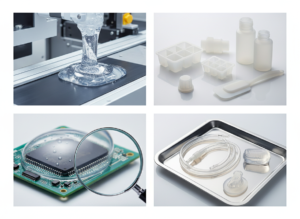
Under-the-hood components like turbocharger hoses, spark plug boots, and gaskets require high temperature silicone to withstand engine heat and vibration without cracking.
2. Electronics & EV Batteries
As power densities increase, thermal management becomes vital. Silicone thermal pads and seals protect sensitive circuits from overheating, ensuring the longevity of EVs and high-end consumer electronics.
3. Food & Medical Industry
Silicone is FDA and LFGB compliant. Its ability to withstand repeated steam sterilization (autoclaving) or industrial oven temperatures makes it the gold standard for bakeware and medical tubing.
Comparison: Heat Resistant Silicone vs. EPDM vs. Viton
In B2B procurement, cost-to-performance ratio is king. Here is how silicone stacks up:
- vs. EPDM: EPDM is cheaper but fails above 150°C. Silicone provides a much wider temperature window.
- vs. Viton (FKM): Viton has better chemical resistance to oils, but Silicone is more cost-effective for general high-heat applications and has better low-temperature flexibility.
B2B Procurement: How to Choose a Silicone Supplier
Buying silicone from China offers significant cost advantages, but you must vet your partner for quality stability. Look for these three pillars:
- Material Certification: Ensure the factory provides RoHS, REACH, FDA, or UL-94 flame retardancy certifications.
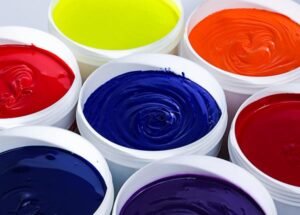
- OEM/ODM Capability: Can they adjust the Shore A hardness or the color paste ratio to meet your specific engineering drawings?
- Testing Infrastructure: Ask for Compression Set tests and Heat Aging reports. A professional factory will have internal labs to verify these parameters.
Frequently Asked Questions
A: Standard silicone is self-extinguishing, but for extreme safety, we recommend our UL-94 V0 rated flame-retardant silicone grades.
A: Certain pigments (like Iron Oxide Red) actually act as heat stabilizers, slightly improving the material’s thermal performance.
A: For standard high-heat grades, we typically offer a 7-10 day turnaround for bulk orders.